
Have you ever seen words like ‘fine’, ‘very good’, ‘bowed’, ‘chipped’ and ‘foxed’ when shopping for books online, and have no idea what they mean? In the world of selling books online, sellers do their best to describe a second-hand book’s condition in as much detail as possible, so that you the buyer can get a good idea of what you are buying; unlike in a physical bookstore where you will be able to see and hold the actual book. Therefore, in order to be to more concise and to speed up writing descriptions some words to describe specific conditions of a book have come in to use. The following article is a brief explanation of these words. It is especially important to understand these terms if you are new to collecting valuable books.
Firstly, books are given an overall grading. In Red Owl Books, we use the following gradings:
- AS NEW:
Although technically second-hand, its condition is as new. It may have been kept in storage or warehoused, never been sold, or never read or opened before.
- FINE:
This book is almost as new, with no damage nor defects, except that it is not as crisp as a new book. It may have been opened and read.
- VERY GOOD:
Has very small/minor signs of wear, any unusual defects are noted in the description.
- GOOD:
A typical, average used book. Will have small/minor signs of wear, though no tears on either cover or pages. Binding is sound. Any defects are noted in the description.
- FAIR:
Has wear and tear, but all text, illustrations and other included items (eg, pull-out maps, CDs etc) are present. It may be missing end-pages, half-title or title pages. Any defects are noted in the description.
- POOR:
Book has a lot of wear and tear, and may be soiled, scuffed, stained and may have loose joints, pages etc. Photos of these defects will be provided and noted in the description.
- EX-LIBRARY / SCHOOL / BOOK-CLUB:
This copy was owned by a library, a school or book club; and will have their stamps and markings, library issue plates etc. Note that ex-library books may be in good condition as well (this is noted in the description); however, regardless of their condition, it is always graded as ex-library.
- BINDING COPY:
Individual pages are in perfect condition, but the binding is loose or off; or it may not have been bound in the first place. None of the text, title pages, or other items, are missing, and these may be suitable for having your own personal binding done. Red Owl very rarely sell books in this condition, these are usually discarded; exceptions would be antique, rare and valuable books.
- READING COPY:
This copy is so badly damaged that it is suitable for reading only, and nothing more. All of the text is present. Books that have text missing we normally discard, unless they have antique, historical or collectable value. Detailed notes are provided in these cases.
These descriptors help us grade a book without having to type out the full description each and every time; and keeps the description short and succinct.
You will find in the description other words used in conjunction with the grading scale. Here is a list of them. This list is by no means exhaustive and may differ from bookseller to bookseller.
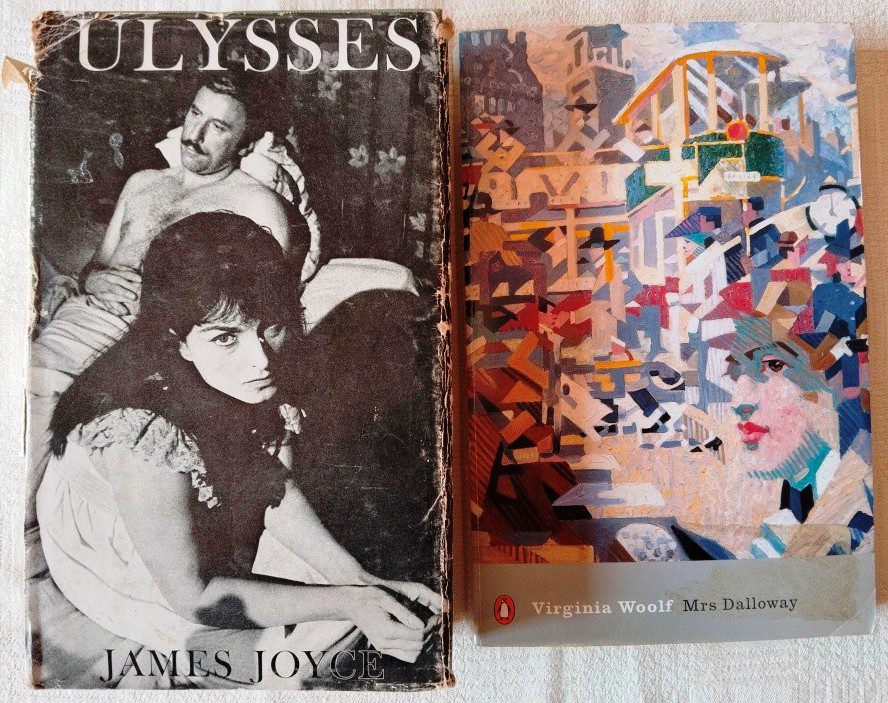
- Bowed: this is a convex (bowed outward) or concave (bowed inward) bending of the cover/cover boards. This is usually caused by environmental conditions – e.g. high humidity, extreme heat (this is very common in laminated paperbacks left in the sunshine)
- Chipped: When a small piece of a dustjacket, cover or cover board is torn off or frayed, usually around the edges, it is described as chipped.
- Dampstained: when the pages or cover is stained – usually by fallen drinks, perspiration or food.
- Sellotape stains: People sometimes cover their books in plastic and use ordinary Sellotape/sticky tape. These discolour over time and stain the inside of the covers. If you are going to cover your books, always use acid free tape (these do not discolour) and make sure the tape is stuck onto the plastic only, and never touches the inside covers – this will cause damage when you try to remove the plastic.
- Edgeworn: Wear along the edges of the book.
- Foxed/has foxing; This is a common problem if you live in areas of high humidity. This results in a type of fungus/mold growing on the books, which results in staining that is orange-red in colour; like the colour of a fox, hence the name.
- Loose or tight binding: This term refers to the state of the binding. When a book is well-used it will easily stay flat while open – the binding is said to be loose. Conversely, a new book’s binding is still tight and will close when placed flat.
- Made-up copy: A book that has been made-up or compiled by putting together the good parts of several different copies of the same book. Red Owl never sells books in this condition, with the exception of valuable antique or collectable books.
- Price-clipped; Publishers often print a recommended retail price on the corner of the dustjacket; you’ll see this on the front inside flap. Bookseller’s cut this out if they want to use a different price. Take note of this especially if you are buying a first-edition; as this could influence the value negatively.
- Re-backed: The spine has been replaced and the hinges mended.
- Re-cased: When a loose cover has been reglued on to the spine; a common problem in old paperbacks.
- Re-jointed: The has been repaired by putting together all the original parts (if they have come loose)
- Shaken: Pages are coming loose – a common problem in unstitched or glued binding. This is a cheaper production option, and subsequently inferior quality, which often results in loose pages as the book ages.
- Shelf-wear: The wear that occurs from often/regular placing and removing a book from the shelf, when the book rubs against the shelf or its neighbouring books. This is particularly common in library books. It is important to take note of this when buying valuable books.
- Sunned/faded: The book is faded from exposure to sunlight. This is quite common on the spines of books, when a bookshelf is near sunlight (next to a window for example).
- Trimmed: The pages have been cut down smaller from their original size. This usually occurs when a book is rebound, in order to get the edges flush and neat and tidy.
- Unopened: In the old days, pages used to sometimes be uncut/ still joined at the folds. This was a way of signifying the book was still new, and probably prevented excessive browsing in bookstores. You will find this only in antique or old books; and is rare to find. I’ve not seen this in modern books.
- Working copy: Even more damaged than a reading copy, will need extensive repairs. Red Owl never sells books in this condition, unless it is a valuable antique or collectable book.
- Worming/wormholes: Holes made by bookworms, the larvae of various beetles.
- Rubbed: Pencil markings or notes have been rubbed off. These can sometimes be rather unsightly and is an important consideration when buying collectable books.
I hope this little guide helps you to make better choices when shopping for books online.
Happy shopping!
With best wishes,

Dion Govender
Proprietor
Red Owl Books